From Void Decks Scenes to Digital Screens
The first installment of a series on the evolution of youth gathering spaces, and how to navigate them safely. A reflection by a computer science student.
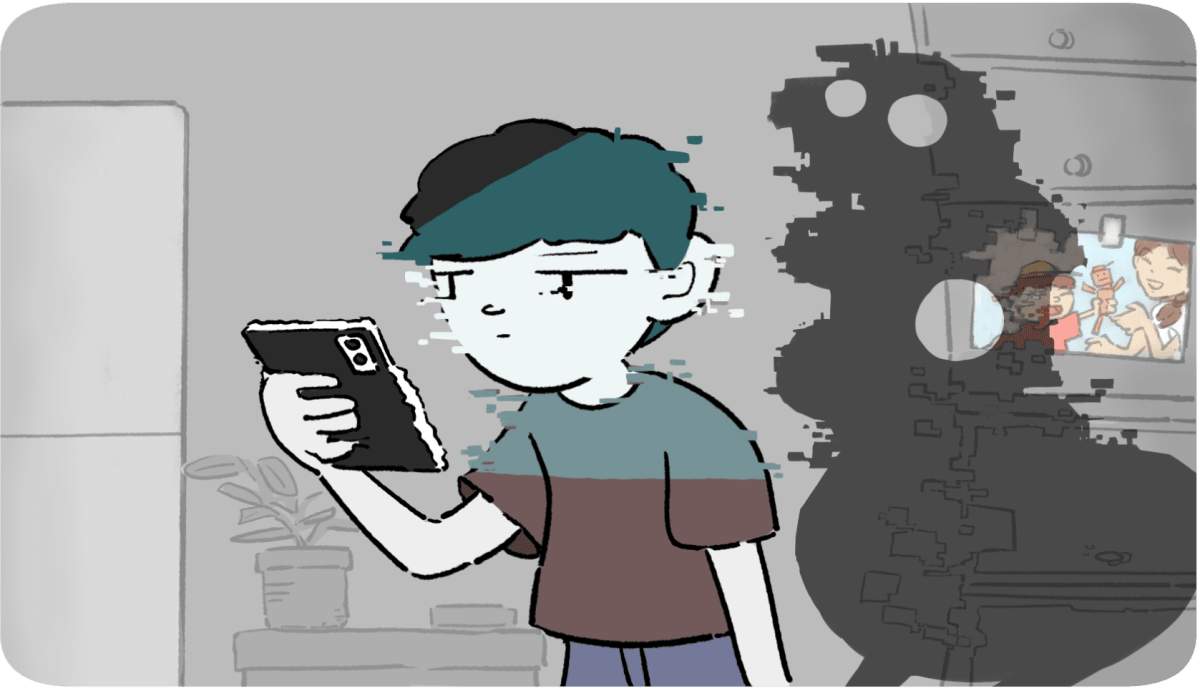
There was a time when childhood adventures took place not on digital screens, but in the physical spaces around us.

Before smartphones and social media became part of everyday life, children gathered in playgrounds, corridors and void decks.

The warm tropical breeze swept through these open-air walkways, carrying the scents of the neighbors’ cooking. These communal areas were extensions of our homes and an everyday expression of the kampung spirit.

Void decks transformed into football pitches, with slippers serving as goalposts. The rhythmic thud of a ball echoed alongside endearing and occasionally irritating laughter. Nearby, ordinary stairwells became tactical routes for children during intense games of block catching, each player trying to outmaneuver the catcher.
These scenes were part of many of our childhoods. We would play on, oblivious to the passage of time, until our parents called us home for dinner.

Childhood gathering spaces have since expanded. Playgrounds and void decks remain, but young people now also spend time in digital spaces.
Online games allow friends to play together even when they are in different locations. Messaging platforms help people stay connected, while social media provides opportunities to share ideas, discover interests and take part in wider communities.
These spaces offer many possibilities for learning, creativity and connection. At the same time, they can influence how young people spend their time, what information they encounter and how they interact with others.
Beneath the screen
As a computer science student, I see how lines of code become software that changes the way people navigate daily life. This perspective has led me to examine the shift from physical to digital gathering spaces through a different lens.
Beyond reminiscing about my childhood spent running about the HDB block, I recognize that many young people today gather in digital environments. Because these spaces are often less visible to the adults around them, it is important to equip young people with the knowledge and support they need to navigate them safely.
Through initiatives such as Project Void_Deck with Div0, Singapore’s cybersecurity community, I am learning more about the mechanics of these modern gathering spaces and how their design can affect the people using them.
The concrete pillars and echoing stairwells of the HDB block have not disappeared. Instead, another kind of gathering space has developed alongside them, supported by software, online platforms and algorithms.
Where children at a void deck might decide among themselves what game to play next, an online platform may use an algorithm to recommend the next video, post or activity.
Algorithms are sets of instructions that help digital platforms organize information and make recommendations. They can make services more useful by helping people discover relevant content. However, they can also affect what users see, how long they remain on a platform and whether they encounter a broad range of perspectives.
Understanding this influence is part of being digitally literate. Users do not need to understand every line of code behind a platform, but they should know that their online feeds are selected and arranged by digital systems. What appears on a feed may not represent the full picture, and popular content is not necessarily accurate or appropriate.
Void deck rules

As future developers and designers of digital systems, my peers and I face a responsibility that extends beyond creating efficient software.
We should consider whether the products we create help people make informed choices, protect their information and maintain a healthy balance between online and offline activities. Features such as clear privacy controls, age-appropriate settings, and reminders to take breaks can help users exercise greater control over their experiences.
However, creating safer digital spaces is not the responsibility of developers alone. Everyone can practice habits to better navigate these spaces and their experiences with them.
Set boundaries online
In the physical void deck, boundaries were often easy to recognize. There were rules about where we could go, how loudly we could play and when it was time to return home.
Boundaries can also be useful online. This might involve deciding how much time to spend on an app, turning off unnecessary notifications, keeping devices away during meals or bedtime, and reviewing privacy settings. They may also include what information you reveal online, and when to close off an interaction.
Think before you act
Actions online can travel quickly and reach people beyond their intended audience. Posts, photographs and comments may also be copied or saved, even after they have been deleted.
Before posting or sharing something, it can help to pause and ask:
- Is it true?
- Is it helpful?
- Is it inspiring?
- Is it necessary?
- Is it kind?
It is important to consider whether a post contains personal information, whether you have permission to share an image of someone else and how the content might affect yourself or others in the future.
Thinking before acting also applies to information encountered online. Checking the source, reading beyond a headline and comparing information with other reliable sources can reduce the likelihood of sharing misleading content.
Report inappropriate or harmful content
Just as shared physical spaces have rules, online platforms have community guidelines that describe what users may or may not post.
Upon encountering harmful content or behavior that violates these guidelines, use the platform’s reporting, blocking or muting functions. Reporting can help platforms identify problems and contribute to a safer online community.
Some situations may also need to be brought to the attention of a parent, teacher or another trusted adult, particularly when a young person feels threatened, repeatedly targeted or unsure about what to do.
Engage and seek support
Digital experiences can sometimes be confusing or uncomfortable. Young people should not feel that they have to manage every difficult situation alone.
Speaking to a trusted person can provide another perspective and help someone decide what action to take. A trusted person may be a parent, caregiver, teacher, school counsellor or another responsible adult.
Young people can also support their peers. Rather than joining in when someone is treated unkindly online, they can check in with the affected person, avoid spreading the content and encourage them to seek appropriate help.
Balance online and offline time
As much as the digital world can captivate us, it is important to pause and look up from the screen. Setting simple limits and making time for rest, movement and face-to-face interaction can help young people maintain a healthy balance between their online and offline lives.
The goal is not to create a digital world so immersive that it replaces our physical surroundings. Neither is it to reject the opportunities technology offers.
Instead, we should build and use digital spaces that safely enrich everyday life; spaces where young people can connect and have fun while retaining control over their time and information.
The void deck reminds us that every gathering space benefits from shared expectations, thoughtful boundaries and people who look out for one another. The same is true online.
This resource is developed in support of the IMDA Digital for Life movement.
